Why you shouldn't check your phone first thing in the morning (and what to do instead)
Most of us reach for the phone within minutes of waking. What the research actually says about it, and simple ways to get your morning back.
The Dose team · · 3 min read
If the first thing you do in the morning is pick up your phone, you’re in the majority. In a 2013 IDC survey of 7,446 smartphone owners in the US, 79% reached for it within 15 minutes of waking. Deloitte asked 53,000 people in 31 countries in 2016 and found that more than a third check it within five minutes. A 2026 poll by Reviews.org put the figure at 84.6% within ten minutes, although that one is an online survey of about a thousand Americans, so take the decimal with a pinch of salt.
The habit is common. The question is whether it actually does any harm.
What the research doesn’t say
You’ve probably read that checking your phone in the morning spikes your cortisol or fries your attention for the whole day. Neither claim has good evidence behind it.
Cortisol rises in the first 30 to 45 minutes after waking whether you touch a phone or not. It’s called the cortisol awakening response, it’s a normal part of getting up, and there’s no solid study showing that a phone changes it.
The famous “brain drain” study from 2017, which found that just having your phone on the desk lowered people’s scores on memory tests, didn’t hold up when another team repeated it in 2022. A 2024 meta-analysis of 56 studies found a small effect on working memory and nothing clear on the rest.
So the phone isn’t poison. The problem is more ordinary than that.
What it does do: someone else sets your agenda
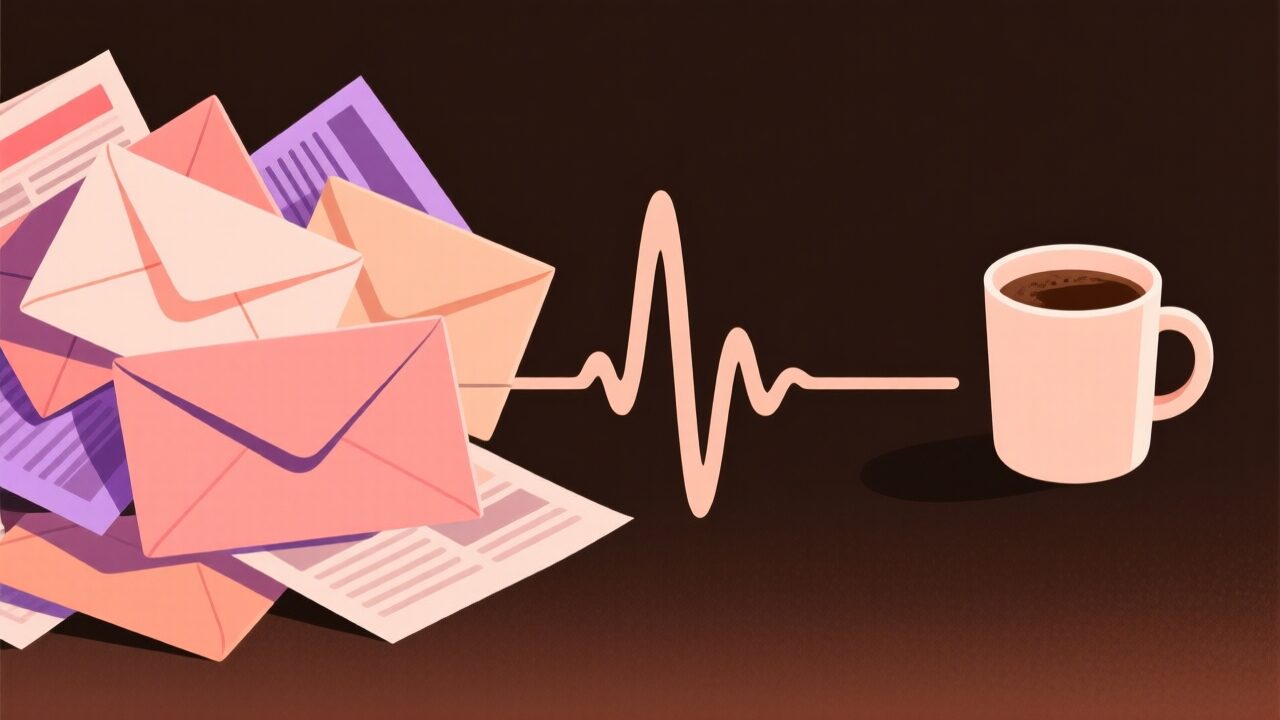
When you unlock your phone in the morning, you don’t just check the weather. You see a message from work, three group chats, a news alert and whatever the apps decided to push overnight. Each of those is a small interruption, and each one asks you to react.
Interruptions have a measurable cost. In a 2016 experiment, 221 adults spent one week with phone notifications on and another with them off. With notifications on, they reported more inattention and hyperactivity. The difference was modest, but it showed up in ordinary people going about their normal weeks. In an earlier lab study at UC Irvine, people who were interrupted every couple of minutes got their work done faster, and paid for it with more stress and frustration.
The morning makes this worse. For the first 15 to 30 minutes after waking, your brain is still shaking off sleep inertia, and it’s slower than usual. That’s the moment you hand it a stream of other people’s requests. Before you’ve decided what your day is about, your inbox has decided for you.
What to do instead
You don’t need a digital detox. A few changes to the first half hour are enough.
Turn the alarm off without unlocking. For most people the phone is the alarm, and turning it off quietly turns into unlocking it, which is the first step into everything else. Charge it across the room, stop the alarm from the lock screen and put the phone back down. If that’s too tempting, a cheap alarm clock breaks the chain completely.
Hold notifications until you’re ready. Android’s Bedtime mode (in Digital Wellbeing) and the iPhone’s Focus modes can silence notifications on a schedule. Have the quiet period end 30 minutes after your alarm. The messages will still be there, and nothing that arrives at 7:04 needs an answer at 7:05.
Decide your first move the night before. Opening the curtains, a glass of water, putting the coffee on. Anything that isn’t a screen. It sounds trivial, and that’s the point: a first step that asks nothing of you is easier to repeat.
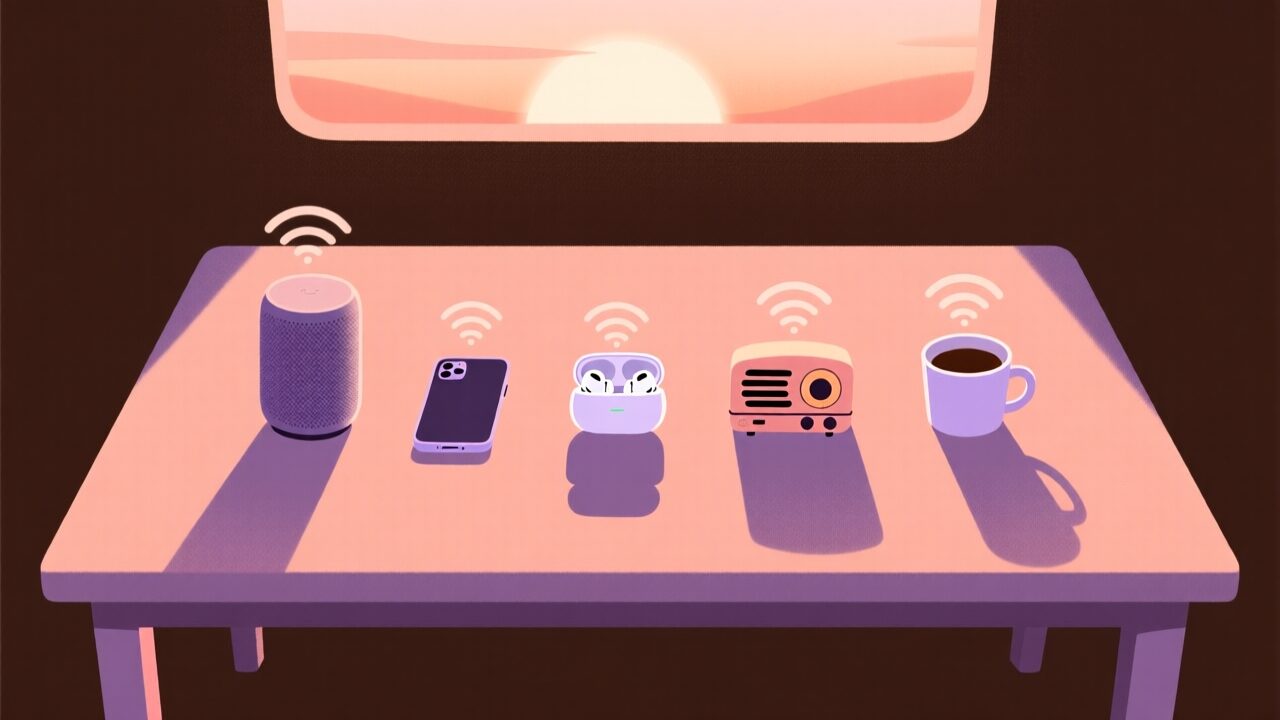
Get the information without the screen. Most of us reach for the phone for good reasons. We want to know if it’s going to rain, what’s on the calendar and whether anything big happened overnight. You can get all of that by listening: the radio, a news podcast, a smart speaker, or a morning briefing built from your own sources. We compared five ways to set one up, including their costs and limits.
That last one is why we built Dose. Your phone rings at the time you choose, like an alarm, and a voice tells you about your day: the weather, your calendar, the news you care about. You hear what you would have gone looking for, and you don’t have to unlock anything to get it.